 Image 1 of 1
Product Description & Care Instructions
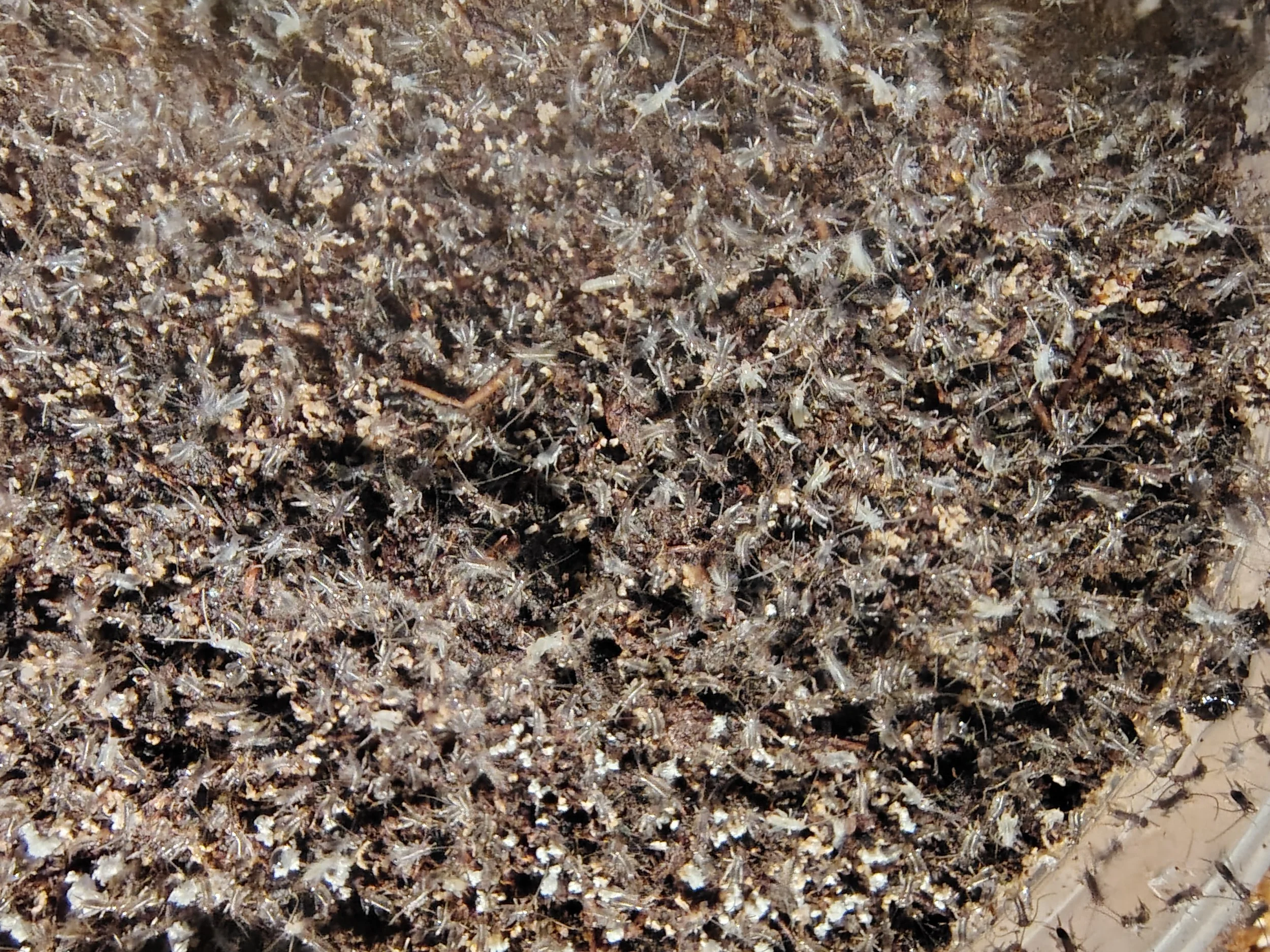
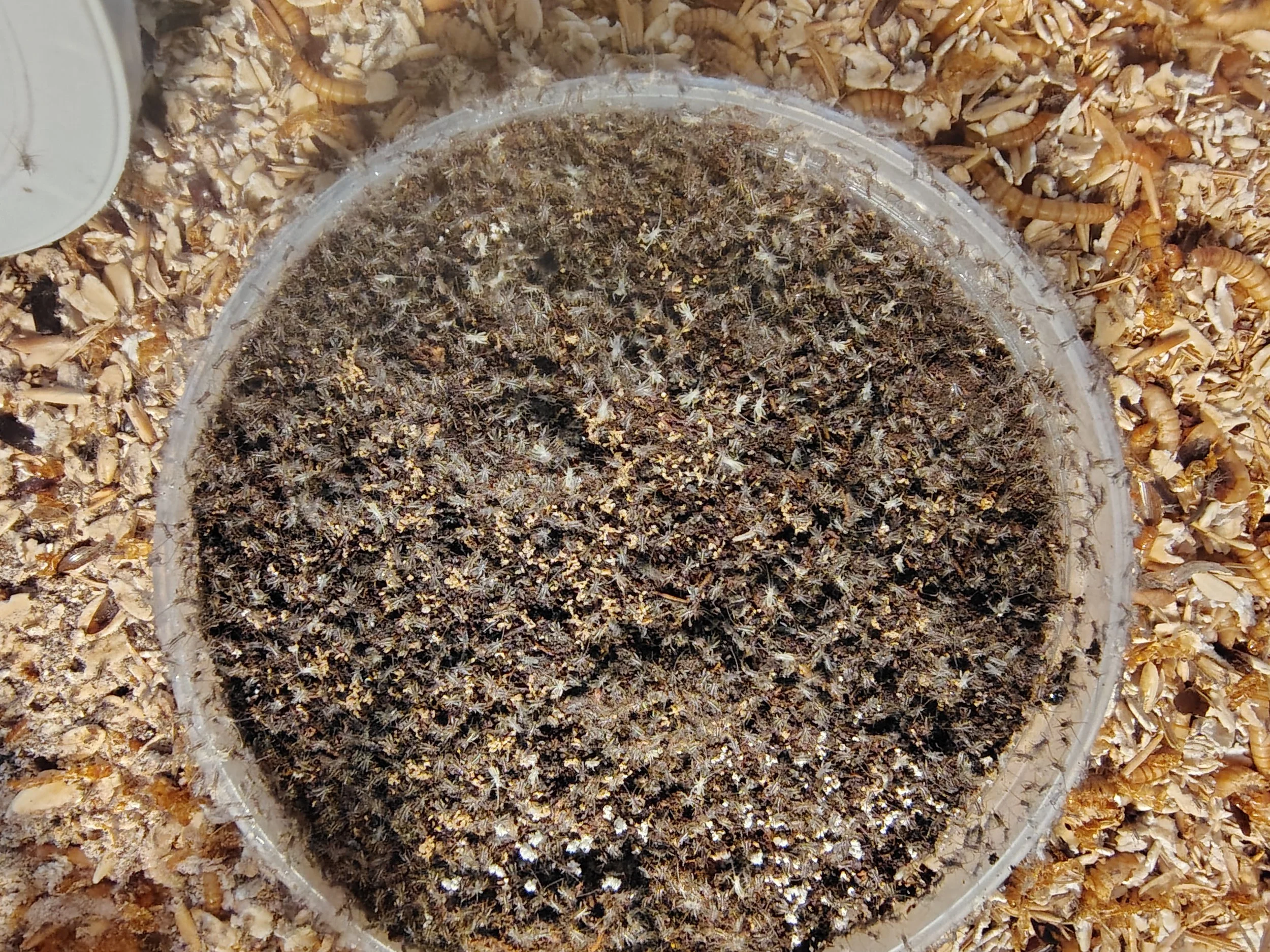
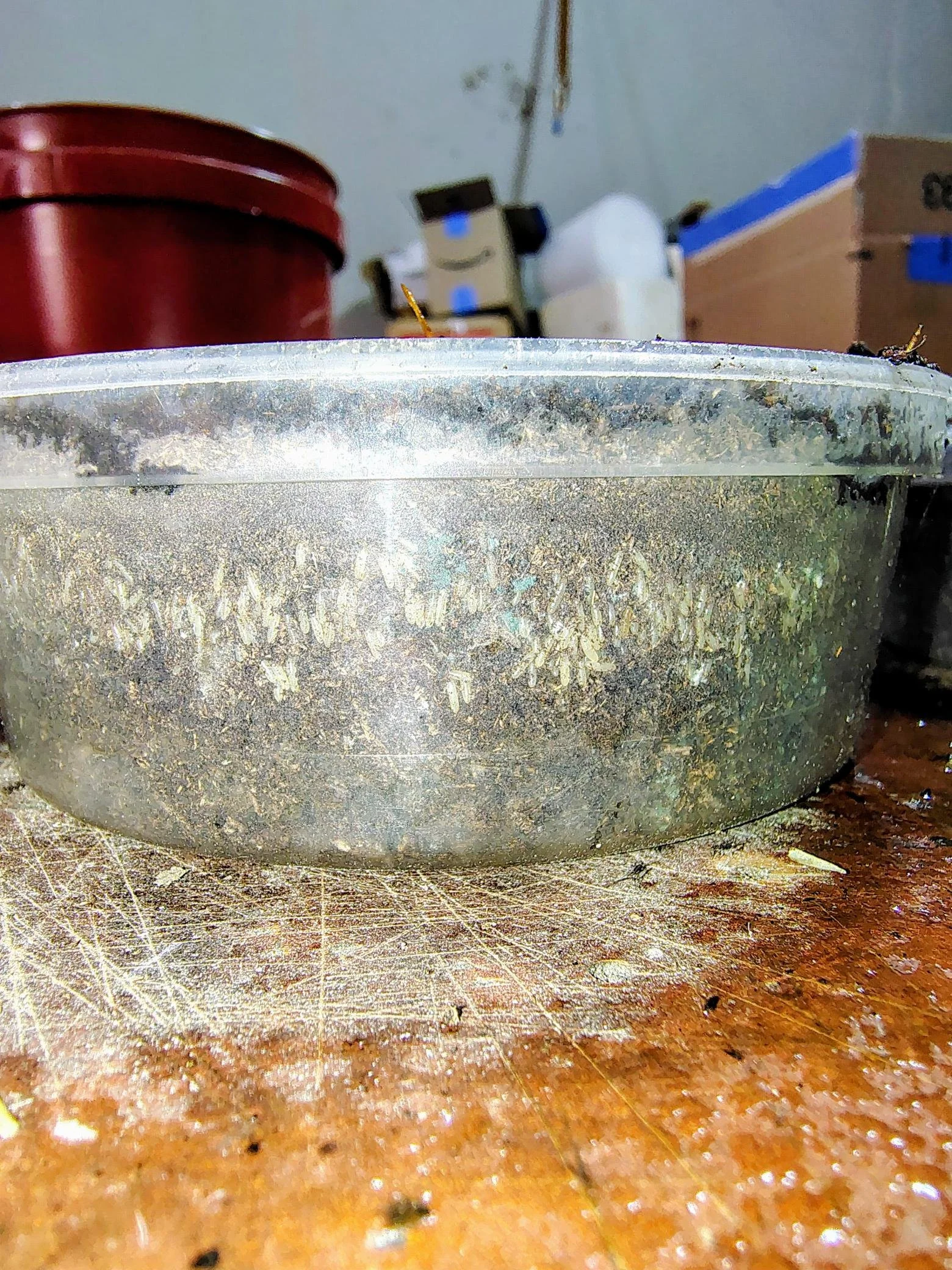
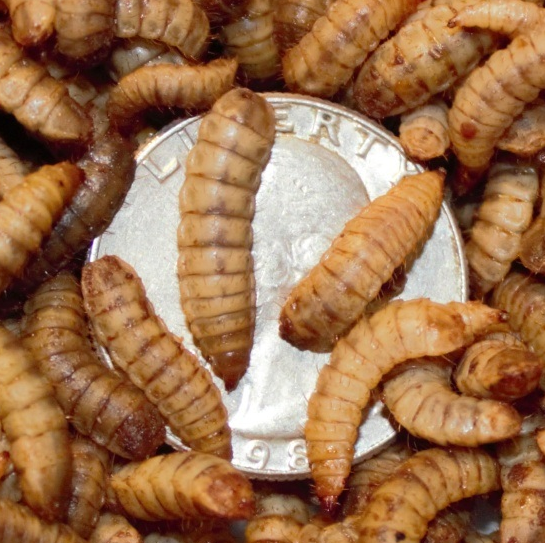
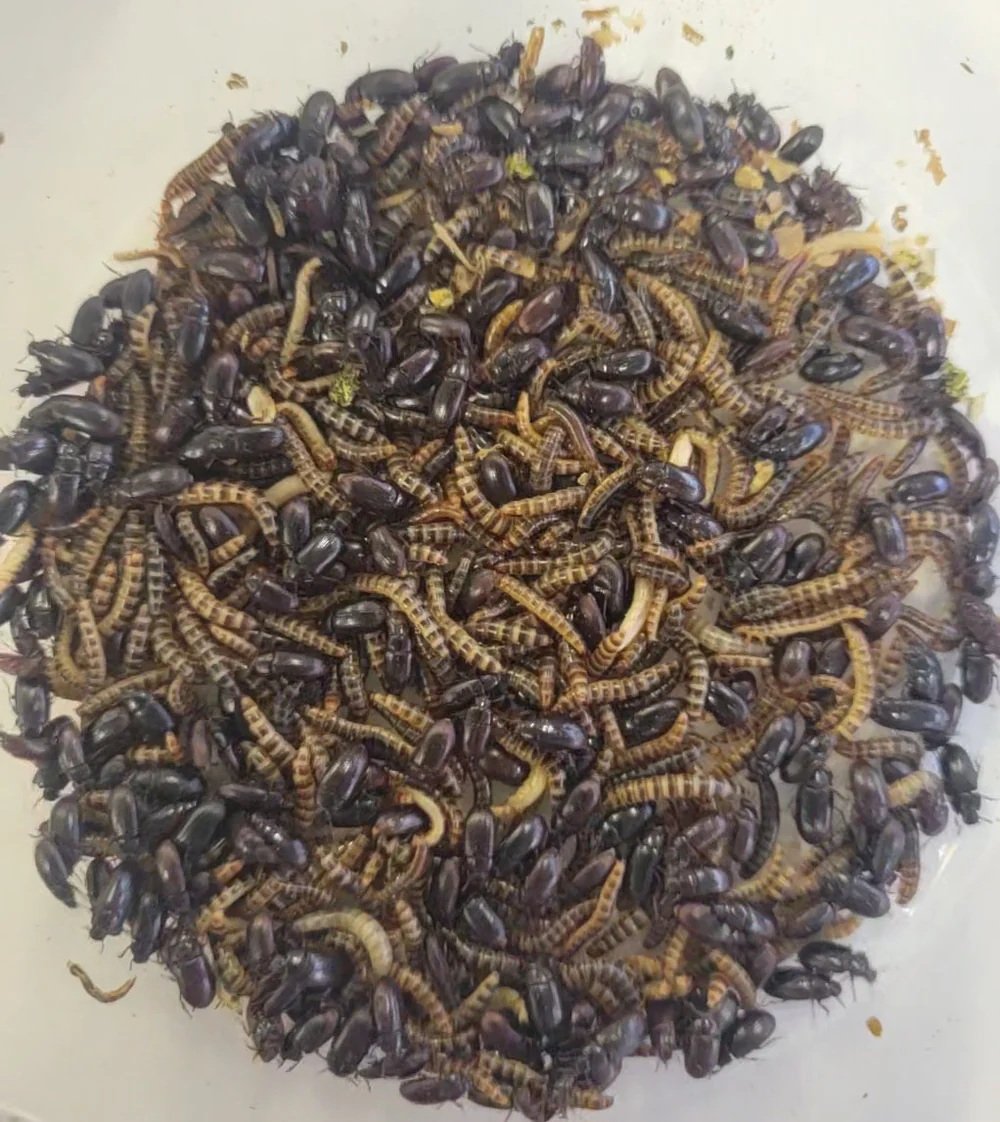
Meet the Lesser Mealworm (Buffalo Worm & Buffalo Beetle) Lesser mealworms (Alphitobius diaperinus) are the smaller, faster-moving cousin of the standard mealworm. In the larval stage they are known as buffalo worms (or lesser worms), and as adults they become buffalo beetles. Because they stay roughly half the size of regular mealworms—and have a softer body in the larval stage—they fill a unique spot in both insect colonies and animal feeding routines.
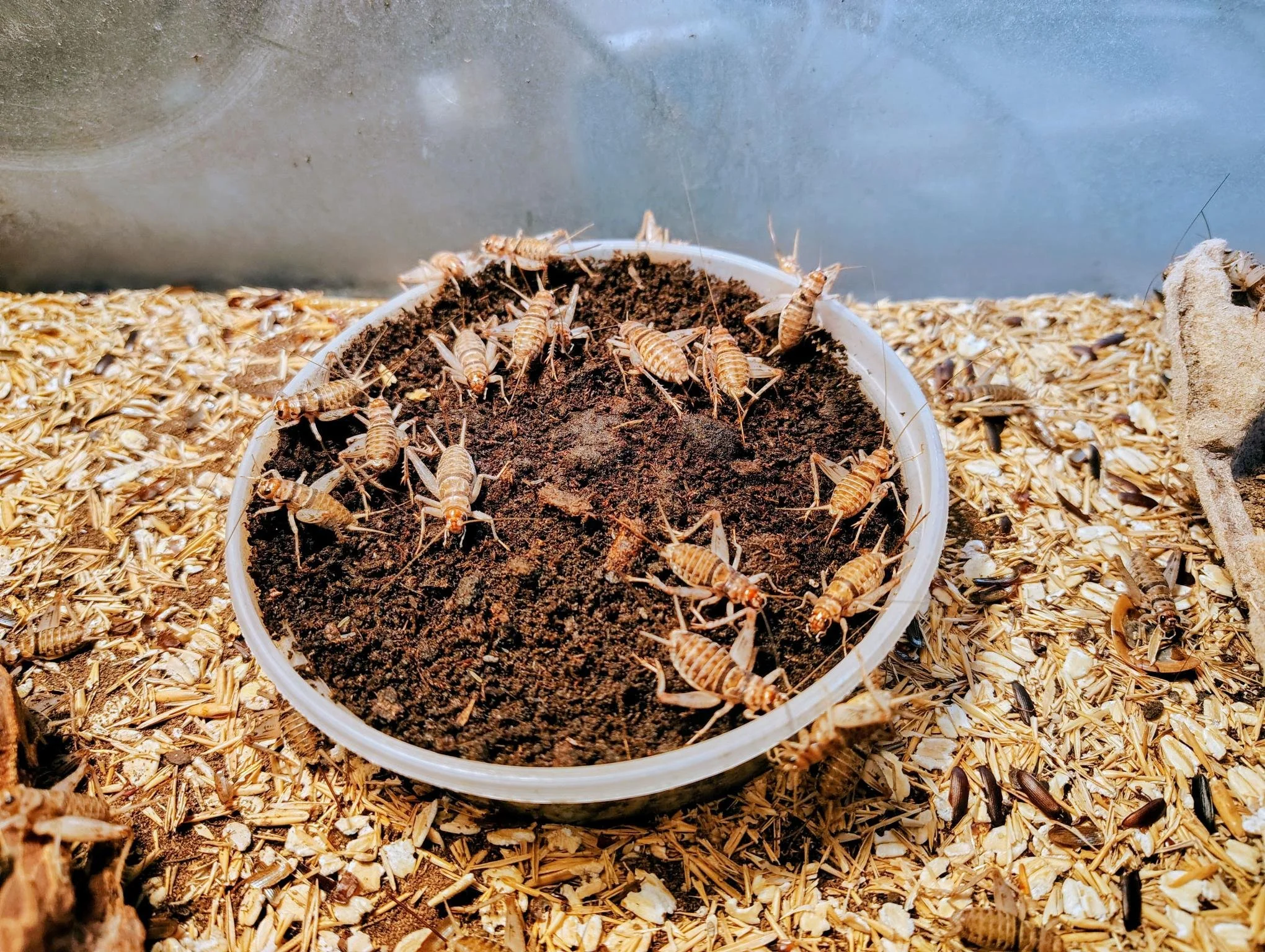
1. Colony Cleanup Crew for Roach & Cricket Bins If you keep Dubia roaches, discoid roaches, or crickets, adding buffalo beetles and larvae is a straightforward way to keep bins cleaner between full cleanouts.
What they eat: Shed exoskeletons, leftover dry chow, dried food scraps, and dead insects.
Why keepers use them: Breaking down decaying organic matter helps cut down on excess moisture, mold, mites, and bin odor.
Colony safety: They scavenge debris and do not prey on healthy roaches or crickets.
2. Feeder Insect for Smaller Pets & Young Animals Larvae typically top out around 3/8 to 1/2 inch and have a softer exoskeleton than mature standard mealworms, making them easier to eat and digest for smaller animals or young feeders:
Small lizards, juvenile bearded dragons, and geckos
Dart frogs, small toads, and other small amphibians
Baby chicks, quail, and wild birds
Tropical fish, turtles, hedgehogs, and sugar gliders
3. Basic Care & Colony Maintenance
Adding to an Existing Feeder Colony: Scatter the beetles or larvae directly into your roach or cricket bin. They will work the bedding and egg flats on their own, especially in warm setups around 75°F–85°F.
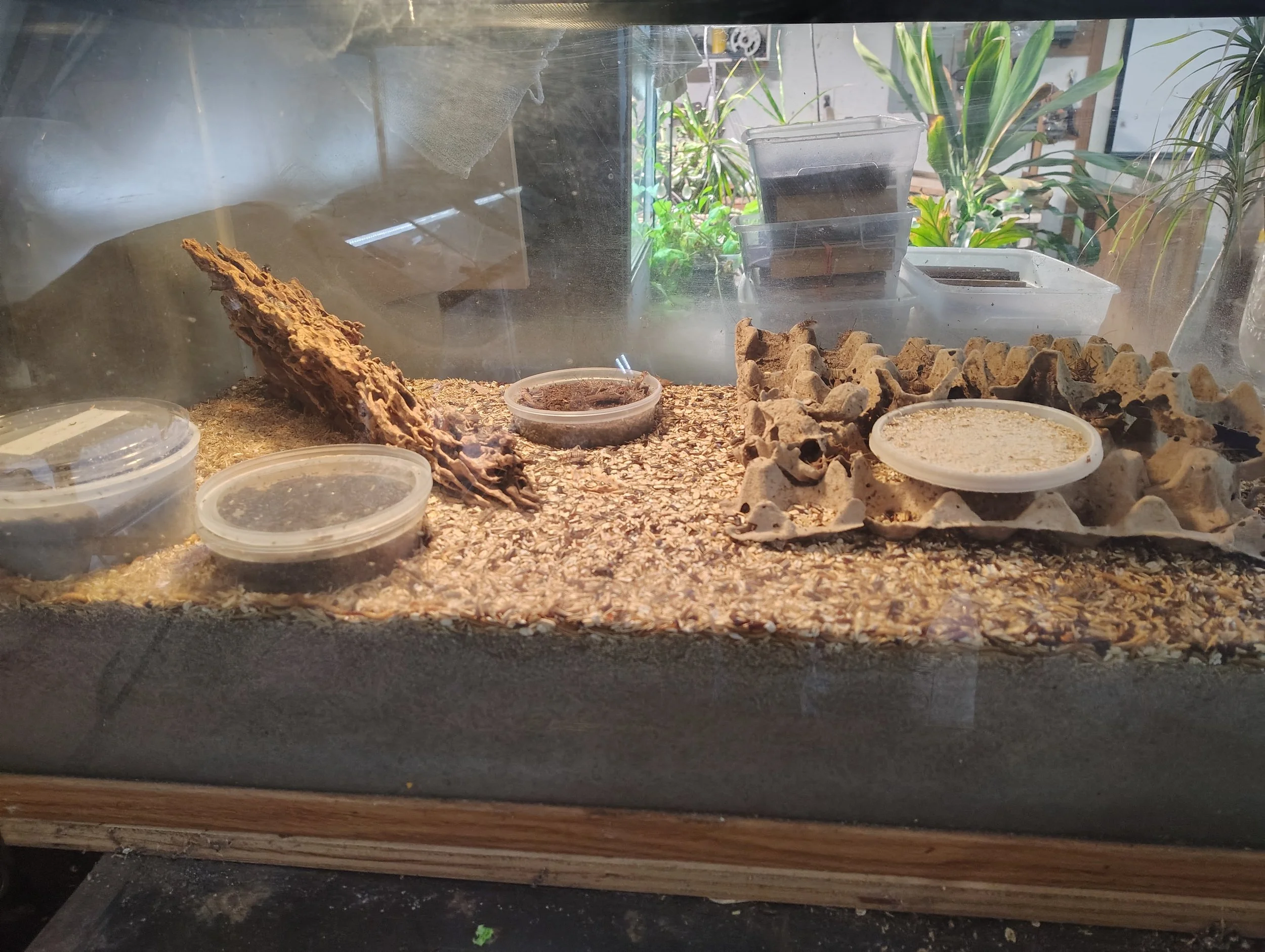
Keeping a Standalone Culture: Use a smooth-sided plastic bin with a few inches of dry grain bedding such as wheat bran or ground oats, plus cardboard egg flats or rolls for shelter. Offer small slices of carrot, potato, or apple every few days for moisture rather than standing water, and keep ventilation good so the bedding stays dry and free of mold.
Frass & Sifting: Over time, larvae produce frass and shed skins. Sifting out spent bedding and frass every few weeks keeps the culture clean, and that frass can be mixed into potting soil or garden beds as a soil amendment.
Containment Note: Keep cultures indoors in secure containers so beetles do not escape into surrounding areas.
Weather Concerns for Shipping
Live insects are sensitive to extreme heat and cold in transit. Please check your local forecast before ordering:
Warm Weather: Orders placed when your forecast is above 80°F during the week will be sent Hold for Pickup at your local post office. If your forecast is above 95°F, we will refund your order and ask that you reorder once temperatures cool down.
Cold Weather: Orders placed when your forecast is below 40°F will be sent Hold for Pickup at your local post office. If your forecast is below 30°F, you must select a 72-hour heat pack or your order will be refunded. If your 7-day forecast drops below 20°F, we will refund your order and ask that you wait for warmer weather.
Live Arrival Guarantee: Once tracking shows your package is delivered or ready for pickup at the post office, you have 24 hours to report any issues to qualify for our live arrival guarantee. Please text a brief 15-second video of the insects in their container to 360-513-7251 (or email it to doug@insectsatlarge.com) along with your order details before disposing of the insects.